Coffee roasting is a craft that combines science, experience, and attention to detail. Whether you’re roasting a few pounds a week or producing coffee for customers, every batch presents an opportunity to learn and improve.
Even experienced roasters occasionally encounter challenges. Small mistakes in roast development, cooling, or record keeping can have a noticeable impact on flavor and consistency.
The good news is that most roasting mistakes are preventable. Understanding where problems commonly occur can help you produce better coffee and achieve more predictable results.
Roasting Too Dark Too Soon
One of the most common mistakes coffee roasters make is pushing a coffee darker before fully understanding its natural characteristics.
Every origin has unique flavor attributes. Roasting too aggressively can mask the qualities that make a coffee distinctive.
Why This Matters
Lighter and medium roasts often reveal:
- Fruit notes
- Floral aromas
- Caramel sweetness
- Origin-specific characteristics
- Greater flavor clarity
When a coffee is roasted too dark, these flavors can become overshadowed by roast-driven notes.
A Better Approach
When roasting a new coffee:
- Start with a lighter profile
- Evaluate the results
- Make gradual adjustments
- Allow the coffee’s origin characteristics to shine
Building from a lighter roast profile often provides more useful information than immediately pushing development.
Failing to Keep Detailed Roast Records
Consistency is difficult without documentation.
Many roasters rely on memory when evaluating batches, but even small changes in roast time or temperature can influence flavor.
Information Worth Tracking
A good roast log should include:
- Coffee origin
- Batch size
- Roast duration
- First crack timing
- End temperature
- Environmental conditions
- Tasting notes
Over time, these records become one of the most valuable tools in a roaster’s operation.
Why Records Improve Consistency
Detailed notes help identify:
- Successful roast profiles
- Repeatable results
- Trends in flavor development
- Areas for improvement
Without documentation, achieving consistent results becomes much more challenging.
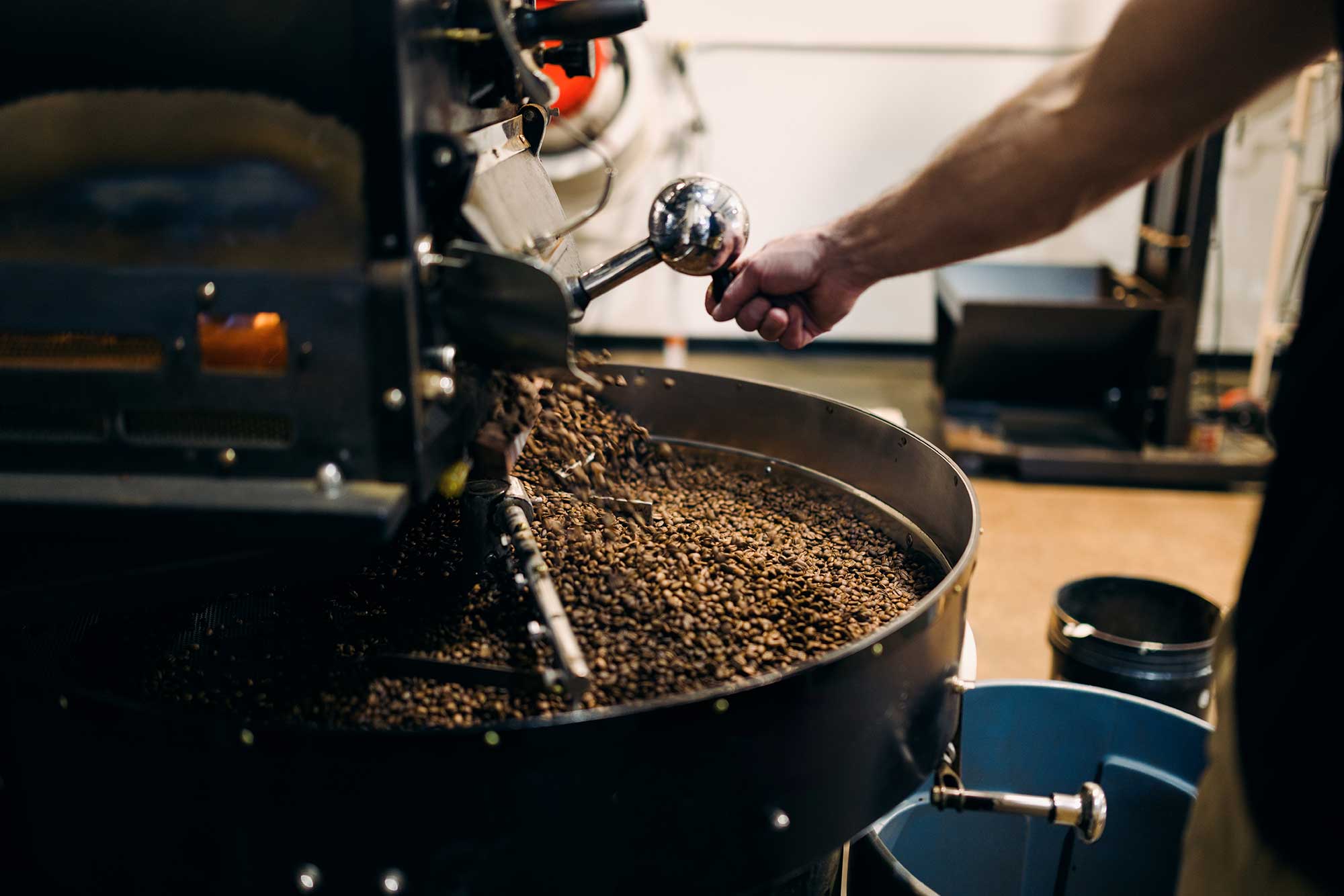
Cooling Coffee Too Slowly
The roasting process doesn’t truly end when heat is removed.
Coffee continues to develop until it cools.
The Impact of Slow Cooling
Insufficient cooling can lead to:
- Flattened flavors
- Additional roast development
- Reduced clarity
- Increased bitterness
Professional roasting operations prioritize rapid cooling for a reason.
Best Practice
Cool coffee as quickly as possible after the roast is complete.
Rapid cooling helps preserve the intended roast level and maintains flavor integrity.
Evaluating Coffee Too Soon
Freshly roasted coffee smells incredible, but tasting it immediately doesn’t always provide an accurate representation of the final cup.
Understanding Degassing
During roasting, carbon dioxide becomes trapped within the beans.
As the coffee rests, these gases slowly escape.
Brewing too soon can result in:
- Uneven extraction
- Sharp acidity
- Reduced sweetness
- Inconsistent flavor
Allow Time for Development
Many coffees perform best after resting for several days.
While exact timelines vary by coffee and roast level, patience often leads to a better tasting experience.
Making Too Many Changes Between Batches
Roasters naturally want to improve every batch. However, changing multiple variables simultaneously can make it difficult to understand what actually influenced the results.
Common Variables
Examples include:
- Charge temperature
- Airflow
- Batch size
- Development time
- End temperature
Adjusting several of these at once can create confusion when evaluating outcomes.
Improve One Variable at a Time
Small, deliberate adjustments provide clearer feedback and make profile development more effective.
This approach helps build repeatable processes and greater confidence in roasting decisions.
Ignoring Coffee Origin Characteristics
Different coffees behave differently during roasting.
A profile that works well for a Colombian coffee may not produce the same results for an Ethiopian or Indonesian coffee.
Every Origin Is Unique
For example:
Costa Rica
- Bright acidity
- Balanced sweetness
- Clean finish
Colombia
- Chocolate notes
- Caramel sweetness
- Excellent balance
Ethiopia
- Floral aromas
- Fruit-forward flavors
- Complex acidity
Indonesia
- Full body
- Earthy sweetness
- Rich mouthfeel
Understanding these characteristics allows roasters to make more informed decisions throughout the roasting process.
Focusing Only on Roast Color
Color is useful, but it should not be the only measure of roast quality.
Two coffees can reach similar roast colors while producing dramatically different flavor profiles.
What Matters More
Successful roasting involves evaluating:
- Flavor
- Aroma
- Sweetness
- Body
- Balance
- Consistency
The final cup should always be the ultimate guide.
Neglecting Sample Roasting and Testing
Many roasting issues can be identified before full production begins.
Sample roasting allows roasters to explore how a coffee behaves and determine its potential before committing to larger batches.
Benefits of Sample Roasting
- Reduced waste
- Better profile development
- Improved consistency
- More informed purchasing decisions
Investing time upfront often saves time later.
Expecting Perfection From Every Roast
Even highly experienced professionals continue refining their approach.
Coffee is an agricultural product, and natural variations occur from harvest to harvest and lot to lot.
Every Batch Is a Learning Opportunity
Instead of viewing an imperfect roast as a failure, consider it valuable information.
Each batch can reveal:
- How a coffee develops
- How processing affects flavor
- Which profiles perform best
- Opportunities for future improvements
Continuous learning is one of the reasons roasting remains such a rewarding craft.
Final Thoughts
The best coffee roasters are not those who avoid mistakes entirely. They are the ones who recognize mistakes quickly, learn from them, and continually refine their process.
By paying close attention to roast development, cooling, record keeping, and coffee evaluation, roasters can achieve greater consistency and unlock the full potential of every coffee they roast.
Whether you’re roasting for personal enjoyment, a café, or a growing coffee business, focusing on these fundamentals can help produce better coffee and more repeatable results with every batch.