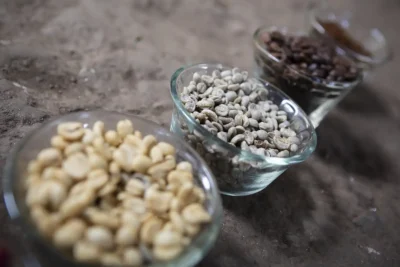
It is easy to fill a box with four coffees that sound good. It is more useful to choose four coffees that have something to teach you.
That does not mean turning a Saturday roast into a lab assignment. It simply means building contrast into the order: one bright coffee, one round and chocolate-forward coffee, one full-bodied coffee, and one blend made for a specific job. Roast them with a consistent process, taste them side by side, and the differences become much easier to recognize.
You will also learn something that product descriptions cannot fully answer: which coffees work for your palate, your brewing methods, and the people you serve.
Start With the Cup, Not the Country
Origin matters, but a country name is only the beginning. Two coffees from the same country can taste quite different because of altitude, variety, processing, soil, and decisions made after harvest.
For a useful comparison box, begin with the kind of experience you want in the cup.
Ask four simple questions:
- Which coffee will show me brightness and clarity?
- Which one will give me sweetness and balance?
- Which one will bring more body and depth?
- Which coffee is designed for the way I actually serve it?
Those questions keep you from ordering four variations on the same flavor profile. They also make the tasting more interesting.
Coffee One: Bright and Structured
For the first position, look for a high-grown washed coffee with lively acidity and a clean finish. Costa Rica Tarrazú SHB Washed is a natural example. Its profile leans toward bright citrus and tropical fruit, balanced by caramel-like sweetness and a round body.
This is the coffee that helps you recognize clarity. At a lighter roast, pay attention to the aroma and the way the acidity moves through the cup. At a medium roast, notice whether the sweetness becomes fuller while the finish stays clean.
Do not treat brightness as another word for sourness. Good acidity gives a coffee shape. It can remind you of citrus, berries, stone fruit, or even the crisp quality of an apple. Sourness usually feels unfinished or out of balance. Tasting the coffee after it has rested for a few days will give you a fairer picture than brewing it immediately after roasting.
Coffee Two: Sweet and Familiar
The second coffee should give you a dependable center point. A Brazil, Colombia, or balanced Central American coffee often works well here.
Brazil Cerrado is a useful contrast to the Costa Rica example because it moves the conversation away from brightness and toward chocolate, nuts, body, and lower perceived acidity. It is the sort of coffee that can feel familiar on the first sip, which makes it valuable rather than ordinary.
Use this coffee to watch how sweetness changes across roast levels. A lighter approach may reveal more nutty character. Take it a little farther and deeper chocolate and caramelized notes may come forward. The goal is not to force the coffee into a predetermined roast color. It is to find the point where the cup feels complete.
Coffee Three: Body and Depth
For the third position, choose a coffee with more weight. Sumatra Mandheling or another Indonesian coffee can bring an earthy sweetness, lower-toned character, and a fuller mouthfeel.
This is where side-by-side tasting becomes especially helpful. Body can be hard to describe when you taste one coffee in isolation. Put a clean, bright Costa Rica beside a fuller Indonesian coffee and the difference is immediate. One may feel lively and crisp; the other may feel round, deep, and lingering.
That contrast also gives you practical information. A full-bodied coffee may hold its character in a French press or a milk drink, while a more delicate coffee may be at its best as a clean drip or pour-over. There are no hard boundaries here. The point is to taste with the intended service in mind.
Coffee Four: A Blend With a Job to Do
Finish the box with a Sonofresco Signature Blend. A blend adds a different kind of lesson because it was composed to create a particular result rather than to express one place.
If espresso is your focus, choose a blend intended to carry body, sweetness, and presence through milk. If most of your coffee is brewed by the pot, choose a drip blend built around balance and consistency. The blend becomes a useful benchmark: can you taste how several coffees work together to create a result that is different from any one component?
This is also a good reminder that a blend is not a lesser version of a single-origin coffee. A thoughtful blend can solve a real service need. It can make espresso more dependable through a busy morning, give a café a recognizable house flavor, or provide the balance a single coffee does not always deliver on its own.
Keep the First Comparison Simple
Once the box arrives, resist the urge to change everything at once. Choose a repeatable starting profile and keep the batch size consistent. Record the coffee, roast profile, end point, and date. After the coffee has rested, brew each one with the same ratio and method.
A simple tasting sheet is enough:
- Aroma: What do you notice before the first sip?
- Acidity: Is it lively, soft, sharp, or muted?
- Sweetness: Does it suggest caramel, fruit, chocolate, or something else?
- Body: Does the coffee feel light, round, creamy, or syrupy?
- Finish: Does the flavor disappear quickly or stay with you?
- Best use: Where would you serve it?
Write down plain impressions. “Reminds me of cocoa and orange peel” is more useful than reaching for an impressive-sounding tasting term that does not mean much to you.
Then Change One Thing
After tasting the first round, select the coffee that raised the most questions. Roast it again and change one variable or choose one neighboring profile. Do not adjust several things at the same time. If the second batch tastes better, you want to know why.
That is how a mixed box becomes more than variety. Four thoughtfully chosen coffees can teach you to recognize acidity, sweetness, body, roast development, and the practical value of a well-made blend.
Best of all, you end the exercise with coffee you will actually drink.