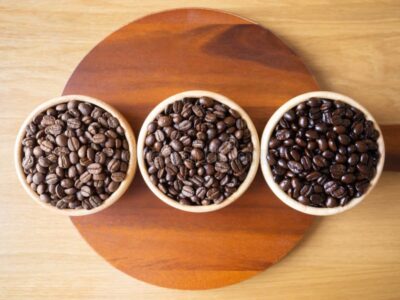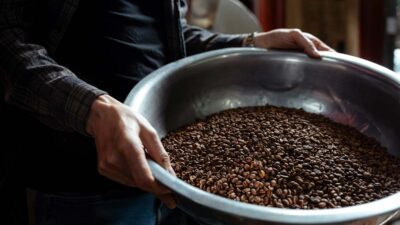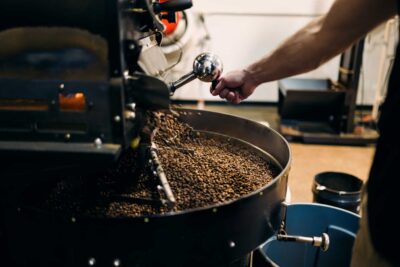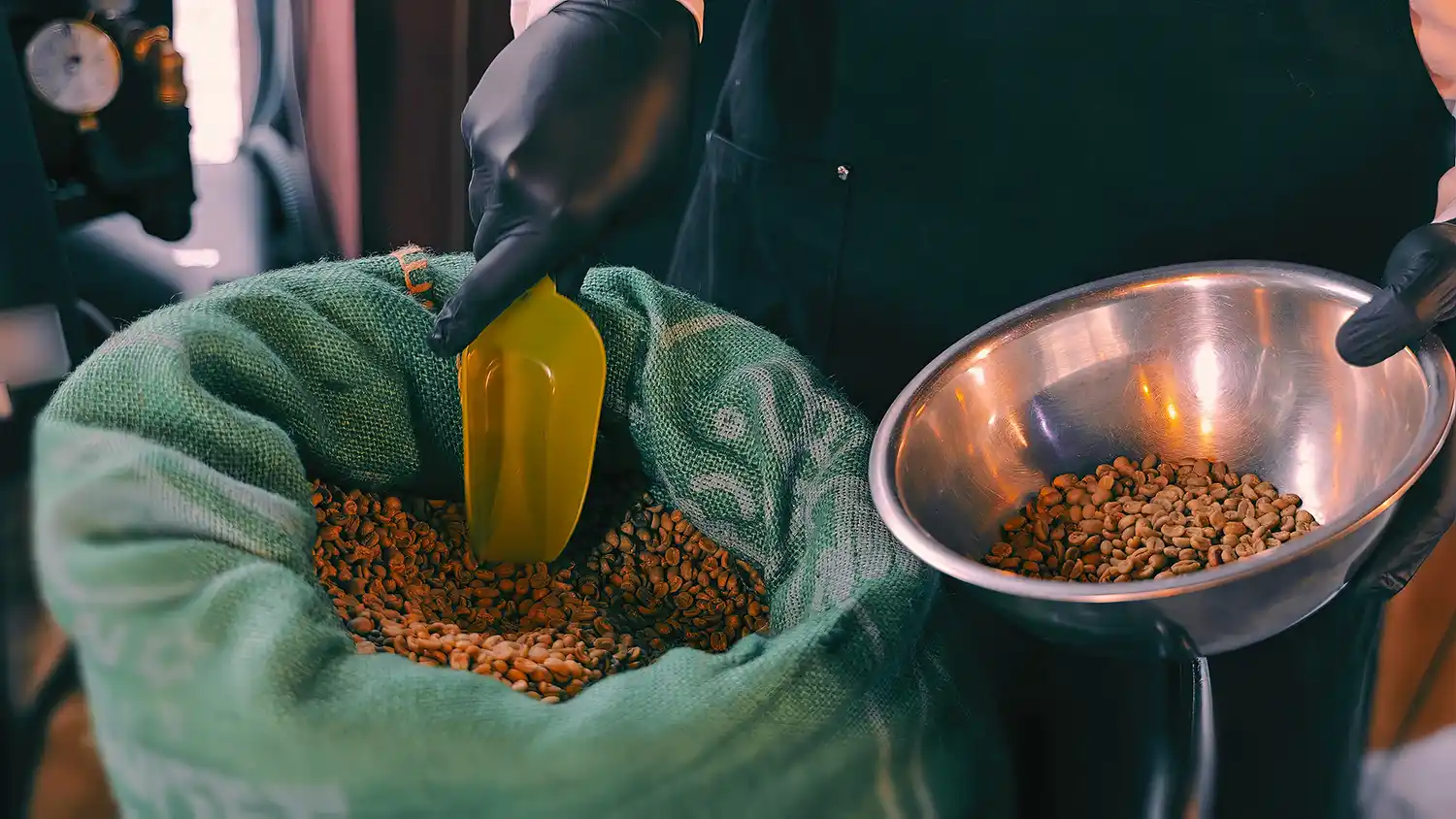
A 120-gram sample can answer an important question: Is this coffee worth exploring?
It can show you whether the cup leans bright or round, how quickly color develops, when the aromatics begin to change, and whether the coffee has the sweetness, body, or character you hoped to find.
What it cannot do is make every decision for the full batch.
The sample roast and the production roast involve the same green coffee, but they are not identical physical situations. More coffee means more mass for the roaster to heat and move. The useful goal is not to copy every moment from the sample. It is to carry forward what you learned about the coffee.
Give the Sample Roast a Clear Job
Before loading the coffee, decide what you are trying to discover.
Maybe you are comparing two new lots for a drip offering. Perhaps you want to know whether a coffee has enough body for espresso, or whether the fruit described on the spec sheet is present in the cup. You may simply be checking whether a new arrival behaves similarly to the previous lot.
A narrow question makes the result easier to use. “Tell me everything about this coffee” is too much to ask from one small roast. “Does this coffee keep its sweetness when developed toward medium?” gives you something you can taste and act on.
Record More Than the Final Color
Roast color matters, but it is only one part of the story. During the sample, make a few plain observations:
- How does the green coffee look before roasting?
- Does the bean size appear fairly uniform?
- When do the aromas shift from grassy to bread-like or sweet?
- How does the coffee move as it loses moisture?
- Does color develop evenly?
- What does the coffee smell like once it is cool?
If you are using Advanced Definition Roasting, save the profile and record key roast events. Add the coffee name, lot information, date, and the reason you selected that profile. A profile labeled only “Test 3” becomes surprisingly unhelpful a month later.
The notes do not need to sound like a competition score sheet. “Color moved quickly near the end” or “sweet aroma, but the cup felt thin” is useful information.
Let the Coffee Rest Before You Decide
The first smell out of the cooling cycle is exciting, but it is not the final cup. Freshly roasted coffee releases carbon dioxide and continues to settle after roasting. Brewing too early can make extraction uneven and the coffee harder to judge.
Give the sample an appropriate rest, then brew it consistently. If you are comparing coffees, use the same grinder, water, ratio, brewer, and tasting temperature. Otherwise, a change in preparation can look like a change in the coffee.
Taste the cup while it is hot, warm, and closer to room temperature. Some coffees become sweeter as they cool. Others reveal a dry finish or a sharper edge that was hidden by heat.
Separate Coffee Decisions From Roast Decisions
After tasting, divide your notes into two groups.
The first group describes the coffee itself: bright acidity, cocoa sweetness, heavy body, floral aroma, clean finish. These are the characteristics you want to recognize again in the larger batch.
The second group describes the result of this particular roast: slightly underdeveloped, more roast character than expected, sweetness arrived late, finish became dry. These observations may point toward a profile adjustment.
This separation keeps you from rejecting a promising coffee because the first attempt was imperfect. It also keeps you from assuming that an attractive roast color means the cup has reached its best expression.
Move to the Full Batch With a Hypothesis
When it is time to increase the batch size, begin with a clear expectation:
“I want to keep the citrus and floral character, but bring forward more sweetness.”
Or:
“The sample had the body we need for espresso. Now I want to see whether the finish stays clean at production scale.”
That statement becomes the bridge between the two roasts. You are preserving an outcome, not tracing a miniature roast point for point.
Use a full-batch profile appropriate for your Sonofresco model, coffee, and target roast. The current 1 lb Profile Coffee Roaster accommodates a 120-gram sample or a 1.4 lb green-coffee batch; the 2 lb model is designed for a 2.8 lb batch. Follow the operating instructions for the model and mode you are using.
Do not improvise a halfway load in an attempt to make scaling more gradual. A fluid-bed roaster depends on the designed relationship among airflow, heat, and coffee mass. Consistent, approved batch sizes give you a cleaner comparison.
Compare the Cups, Not Just the Curves
Once the full batch has rested, brew it with the same method used for the sample. Place the tasting notes next to each other.
Ask:
- Did the defining aroma carry over?
- Is the balance of acidity and sweetness similar?
- Did body increase, decrease, or remain close?
- Is the finish cleaner or more roast-driven?
- Would both cups serve the same purpose?
The curves provide evidence about how the roaster behaved. The cups tell you whether the result worked.
If the full batch missed the target, change one thing on the next roast. A deliberate adjustment teaches you more than changing the curve, end point, batch preparation, and brew recipe at the same time.
Use Sample Roasting to Reduce Guesswork, Not Eliminate Learning
A good sample-roasting habit can save green coffee, narrow purchasing choices, and give you a thoughtful starting point for production. It can also help a café team understand why two green coffees with similar descriptions behave differently.
But the sample is the beginning of profile development, not the end. It tells you where the coffee may want to go. The full batch confirms whether you can take it there consistently.
That is the useful rhythm: ask a clear question, roast a small sample, taste patiently, form a hypothesis, and test it at the batch size you intend to use.
The process is simple enough to repeat, yet detailed enough to keep teaching you something.