A green coffee is not a finished flavor. It is a range of possibilities.
Roast the same beans lightly and you may find citrus, flowers, or a tea-like finish. Take them a little farther and sweetness can move forward. Go darker and the cup may become fuller, rounder, and more roast-driven. None of those results is automatically the “right” one. The useful question is: Which roast makes this coffee right for the way you want to serve it?
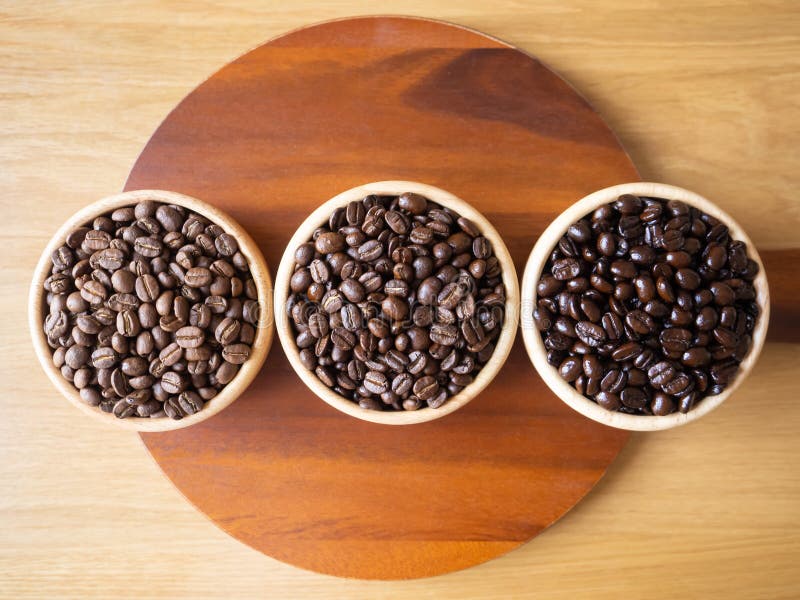
There is a simple way to find out. Instead of changing coffees every time you roast, keep the coffee constant and change only the roast. Three small batches can become a tasting flight that sharpens your palate, improves your roast decisions, and gives customers a memorable look at what roasting actually does.
Why this experiment works
Coffee comparisons often have too many moving parts. One cup is a washed Central American coffee roasted medium. Another is a naturally processed African coffee roasted light. A third is a dark-roasted blend. They may all taste different, but it is hard to know why.
A one-coffee flight removes most of that noise. The origin, process, lot, and batch size stay the same. Roast development is the main variable. When the cups are brewed and tasted under the same conditions, the effect of that variable becomes much easier to recognize.
Think of it as turning one bag of green coffee into a three-part conversation.
Choose a coffee with room to move
For your first flight, choose a coffee you already know or one with a balanced profile. A clean washed coffee is often easy to read because changes in acidity, sweetness, body, and roast character tend to stand apart clearly.
That does not mean natural, honey-process, or lower-acidity coffees are off-limits. They can make fascinating flights. Familiarity simply gives you a better baseline for the first round.
Use the same green coffee and the same batch weight for all three roasts. Consistency matters more than chasing a perfect result. This is an experiment, and even the cup you like least has something to teach you.
Roast three distinct versions
Plan three roasts with enough separation that the differences will be easy to taste:
-
- The bright roast — Stop at a lighter endpoint that preserves more of the coffee’s origin character.
- The balanced roast — Develop the coffee farther to explore sweetness, body, and balance.
- The bold roast — Continue to a darker endpoint where deeper caramelized and roast flavors become more prominent.
Avoid making tiny changes on the first attempt. A flight works best when each cup has a clear identity. You can always return later and test the smaller steps around your favorite result.
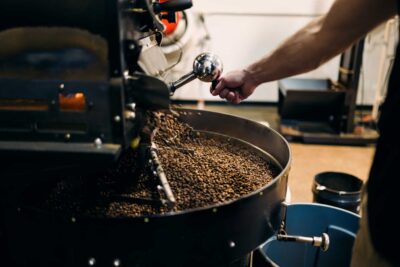
The clear chamber on a Sonofresco Profile Roaster makes this especially engaging: you can watch the physical transformation while the roaster handles the repeatable work of the profile. Keep notes for each batch, including the roast setting or saved profile, batch weight, date, and anything you notice about color and aroma.
Give every batch the same rest time before comparing it. Fresh coffee releases carbon dioxide after roasting, and tasting one batch hours after roasting while another rests for several days can distort the comparison. The goal is not to declare one universal number of rest days; it is to give all three cups the same starting line.
Set up the tasting without overcomplicating it
You do not need a formal cupping lab. You need three clean brewers or cups, one grinder, a scale, water, and a way to keep the samples straight.
Use the same:
-
- Coffee dose
- Grind setting
- Water weight and temperature
- Brew method and brew time
- Rest period after roasting
Label the coffees A, B, and C on the bottom of the vessels so you can taste without being led by the words “light” or “dark.” If several people are participating, ask someone who is not tasting to shuffle the order.
Then taste each coffee more than once. Start hot, return when the cups are warm, and taste again as they cool. Some differences become clearer when heat is no longer the loudest sensation in the cup.
Ask better questions than “Which one is best?”
“Best” can end the conversation too early. More specific questions produce more useful answers:
-
- Which cup has the clearest aroma?
- Where do you notice the most sweetness?
- Which feels lightest or fullest on the tongue?
- Which has the longest, cleanest finish?
- Which would you choose for drip coffee?
- Which would stand up best to milk?
- Which would you want a second cup of?
Do not worry about finding exotic tasting notes. “Cocoa,” “citrus,” and “caramel” are helpful, but so are direct observations such as “brighter,” “rounder,” “drier,” or “more intense.” Palate training begins with noticing a difference, not performing a vocabulary test.
One especially revealing question is: What did this roast add, and what did it cover up?
The darker cup may add body and bittersweet depth while making a delicate fruit note harder to find. The lighter cup may preserve that fruit while feeling less developed to someone who prefers a rounder cup. That is not a contest between good and bad. It is a tradeoff you can taste.
Turn the winning cup into a repeatable roast
Once you choose a favorite, record the result while the tasting is fresh in your mind. Note not only which roast won, but why and for what purpose.
For example:
Roast B showed the best caramel sweetness and stayed lively as it cooled. Use it for batch brew. Test one small step darker for espresso.
That sentence is more actionable than “B was best.” It connects the sensory result to the next roast and the way the coffee will be served.
If you use Advanced Definition Roasting, save the preferred profile and give it a name that includes the coffee, intended brew method, and version number. A name such as Guatemala-Drip-v1 is much more useful a month later than New Profile 3.
Then repeat the experiment around the winner. Instead of three widely spaced roasts, make three close variations: your chosen profile, one slightly lighter, and one slightly darker. The first flight finds the neighborhood. The second can help you find the address.
Make the flight part of the customer experience
For a café, tasting room, market, or retail shop, this experiment can do more than develop a roast. It can become a small event.
Serve three samples without revealing the roast levels. Ask guests to vote for the cup they would order, then reveal how all three came from the same green coffee. The lesson lands immediately: roasting does not merely make coffee brown. It shapes what the drinker gets to notice.
The result can guide a featured roast, generate conversation at the counter, and give customers a reason to care about fresh, small-batch roasting. It also shifts the story away from technical jargon and toward something everyone understands—taste.
One bag, more possibilities
It is easy to look for improvement by buying a different coffee. Sometimes the more revealing move is to listen more carefully to the coffee already in front of you.
Roast it three ways. Keep the brewing fair. Taste without seeing the labels. Decide what each version does well. In a single flight, you will learn more about the bean, your equipment, and your own preferences—and you may discover a cup you would never have reached by stopping at the familiar setting.
Ready to run the experiment? Choose a green coffee and see where three roasts can take it.