After dinner, the coffee drinkers usually divide into two groups. Some want a full cup. Others want the ritual, warmth, and flavor without adding more caffeine to the evening.
Too often, the second group gets coffee that has been sitting around longer, brewed with less care, or chosen because it was simply available. Decaf deserves better than that.
Start with good green coffee, roast it fresh, and brew it with the same attention as everything else on the table. The difference is easy to taste.
Decaf Is Still Coffee
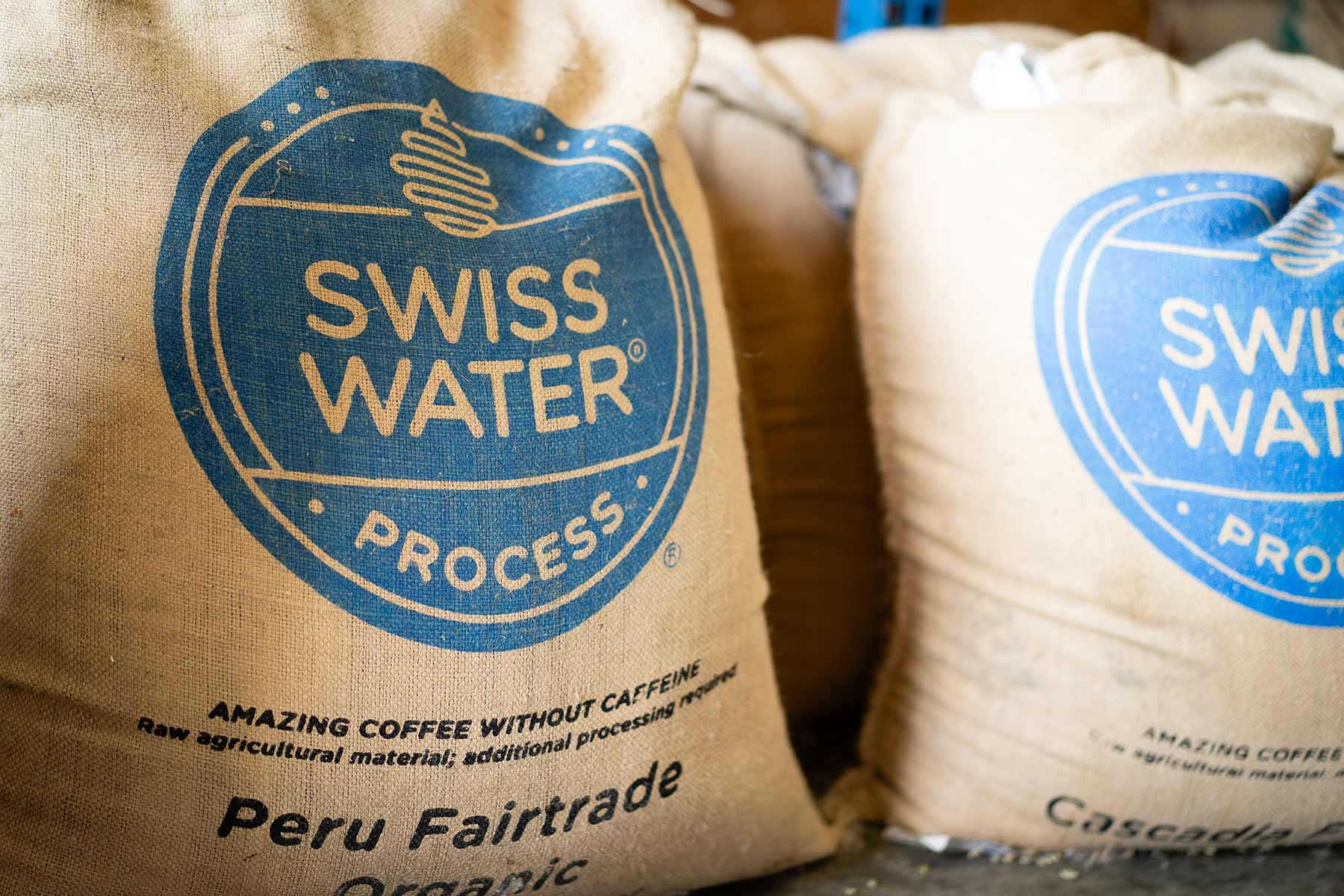
Decaffeination happens while the coffee is still green. The process removes most of the caffeine, but the origin, processing, roast, and brewing still shape the cup.
That means decaf can be sweet, aromatic, full-bodied, and interesting. It can also taste flat when it is old, poorly roasted, or brewed from a pot that has been waiting too long.
When choosing a decaffeinated green coffee, look for the same useful information you would want from any other coffee: origin, process, body, acidity, and expected flavor. If the description sounds like a cup you would enjoy with caffeine, it is a promising place to begin.
Expect It to Look and Behave Differently
Decaffeinated green coffee often looks darker or more uneven than untreated green coffee. The beans have already gone through additional processing, so color alone is not a reliable sign of roast development.
Use a consistent batch weight on your Sonofresco coffee roaster and begin with a proven profile for that coffee when one is available. Watch bean movement, aroma, time, and the progress of the roast rather than trying to make the beans match the appearance of a regular coffee at the same stage.
Make one measured adjustment at a time. A decaf that tastes thin may need a different development approach, but taking it much darker can trade sweetness for roast flavor. Let the brewed cup guide the next batch.
Choose the Job Before the Coffee
Think about how the decaf will be served.
For after-dinner drip coffee, balance and a clean finish matter. A smooth, medium-bodied decaf can work with several desserts without feeling heavy.
For espresso and milk drinks, choose a decaf blend with enough body and chocolate-like depth to stay present in milk. For customers who drink it black, keep enough sweetness and origin character to make the cup satisfying on its own.
One decaf can sometimes handle all three jobs, but test it in each brewing method first. A coffee that shines as drip may need a different roast or extraction approach for espresso.
Roast Enough, but Not Too Much
Decaf demand can be harder to predict, especially for small cafés and holiday gatherings. That is one reason small-batch roasting is useful. You can roast a practical amount closer to the date instead of relying on a large supply that ages before it is used.
Estimate the number of decaf drinkers, then add a reasonable buffer. Allow the coffee the same planned rest time you use for your other roasts. Package it clearly and keep it separate from caffeinated coffee through grinding and brewing.
If you serve both coffees from similar carafes or airpots, label them where guests and staff can see the difference. No one should have to guess late in the evening.
Brew It Fresh, Too
Fresh roasting cannot rescue coffee that sits on a hot plate for hours. Brew smaller amounts as needed and keep the equipment clean. Use the same scale, water, and recipe discipline you bring to your regular coffee.
Taste it before service. If the cup seems muted, check grind and ratio before blaming the green coffee or roast. Decaf often receives less dialing-in simply because people expect less from it.
That expectation is worth changing.
End the Evening With a Good Cup
A well-made decaf gives people another cup without asking them to compromise on flavor. It keeps the conversation going, works naturally with dessert, and shows that every coffee on the menu matters.
Treat decaf like real coffee, because it is.
Explore Sonofresco decaffeinated green coffees and roast a fresher cup for evening service.